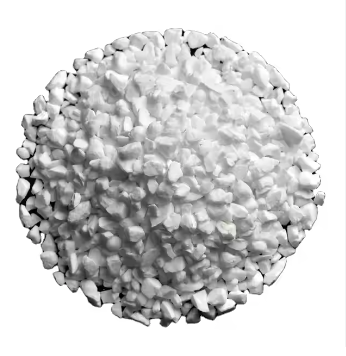
Tabular Alumina is a high-purity, sintered form of aluminum oxide (Al₂O₃) known for its excellent thermal stability and high resistance to chemical corrosion. It is produced by heating aluminum oxide at very high temperatures (around 1900°C) to create large, dense, and fully crystallized alpha-alumina grains with a tabular structure.In the refractory industry, tabular alumina is widely used because of its high mechanical strength, low porosity, and excellent resistance to thermal shock and corrosion.
Applications include:
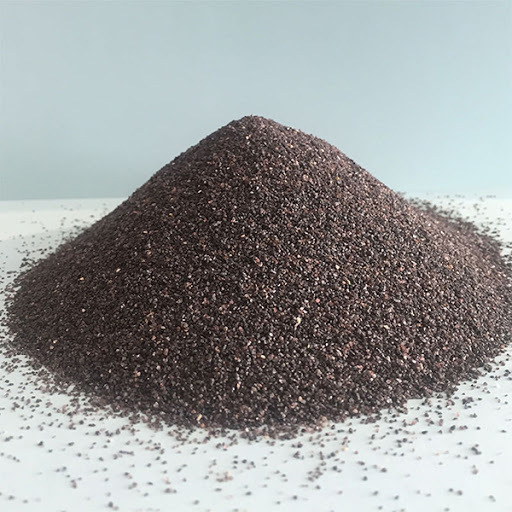
Brown Fused Alumina (BFA) is an abrasive material made by fusing bauxite (aluminum ore) in electric arc furnaces at high temperatures, typically around 2000°C. This process creates a tough, durable material with a high alumina content, along with small amounts of silica, iron oxide, and titanium oxide, giving it a characteristic brown color.
In the refractory industry, brown fused alumina is valued for its high hardness, thermal stability, and resistance to corrosion and wear.
Key uses include:
Its combination of toughness and thermal resistance makes brown fused alumina a versatile material in high-stress, high-temperature refractory applications.
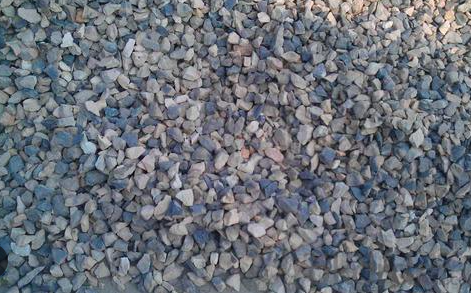
Bauxite
Bauxite is a naturally occurring mineral composed primarily of aluminum hydroxide minerals (such as gibbsite, boehmite, and diaspore), along with impurities like silica, iron oxide, and titanium dioxide. It is the primary ore of aluminum and has a high alumina content, making it a key raw material for both the aluminum and refractory industries.
In the refractory industry, bauxite is used for its high alumina content and ability to withstand high temperatures.
Key applications include: